
If you’re thinking about starting a business blog but aren’t sure if it’s still worth it in 2026, the short answer is: absolutely.
A good blog can drive consistent organic traffic, improve your SEO, and turn visitors into customers without relying on paid ads. It can also position your business as an authority in your niche and even make your content discoverable in AI tools and search engines.
The problem? Most business blogs fail.
Not because blogging doesn’t work, but because they lack strategy, consistency, and a clear understanding of what actually drives traffic and conversions. In this guide, we’ll look at 20 successful business blog examples and break down how to apply the same strategies to your own blog.
Table of Contents
What Makes a Business Blog Successful?
A successful blog attracts visitors and converts them into loyal readers and ultimately customers.
A successful business blog usually does six things well:
targets search intent
focuses on a clear niche
has a variety of content formats
publishes consistently
uses internal linking and strong structure
turns readers into subscribers, leads, or customers
1. Follow an SEO-Driven Content Strategy
Creating well-written content that answers questions and offers a unique point of view should be your priority. However, that content should also include the terms and phrases you want to show up for in search results because that’s how you’ll get it in front of your audience.
When users search for specific terms and phrases, they have different intents. Sometimes, they’ll want to learn more about a topic, and other times they’ll want to take action and buy something. Make sure your content and keywords match their intent.
2. Have a Clear Niche and Audience
One of the questions you should answer before you even start a blog is: What is this blog about? Setting a clear niche prevents you from writing generic content that’s too broad and doesn’t cover anything in detail.
Once you define your niche, you should also define your audience. Knowing who your content is written for helps you personalize it. More importantly, it helps you come up with topics that your audience is interested in.
3. Decide on Content Formats
Most successful business blogs won’t just have informational content. They will also have listicles, comparisons, case studies, and other content types. That way, they can reach a wider audience, target different search intents, and cover topics in varying levels of detail.
For example, a list of coffee makers will help readers learn about the available options, but a comparison article will help them decide which one to buy. These two content types educate readers and help them make a decision, which is how you build trust with your audience and increase conversions.
4. Define Internal Linking and Structure
When you create a blog post, you should organize it so that users can easily find its key talking points. For that, you’ll use headings. In between headings, organize your writing into short paragraphs. Following these practices makes your content easy to read.
You should also link your blog posts to other relevant content on your blog. This helps users discover new and related topics easily, and it helps search engines better understand your blog.
5. Post Consistently
Being consistent with your publishing schedule makes your brand look committed. Each time you add new content to your blog, you showcase your expertise more, which is how you build authority. If you post regularly, your readers know when to expect it, which is how you build trust with them.
Regularly publishing new content is how you’ll improve your SEO, too, as Google likes fresh content. By adding and updating your blog, you’re signaling that your site is active. And each new post is an opportunity to rank for a new keyword, further improving your search engine visibility.
6. Come Up with a Conversion Strategy
Your content should deliver value to the reader. However, it should also include CTAs and email capture forms to increase your chances of turning first-time visitors into regular ones.
Whichever conversion-focused element you decide to use in your content, place it strategically so that it isn’t obtrusive. Your goal is to get your users to take action, but not at all costs, so use these elements wisely.
How to Choose the Right Blog Strategy for Your Business
The right approach to a business blog depends on your business model and goals:
E-commerce businesses: Focus on product guides, comparisons, and gift ideas that help users make buying decisions.
Service-based businesses: Create problem-solving content and use local SEO to attract and convert leads.
Content-driven brands: Prioritize SEO and consistency to build long-term organic traffic.
High-trust industries: Focus on expert-driven, accurate content that builds credibility before conversion.
The key is to always align your blog content with your main goal, whether that’s traffic, leads, or sales.
20 Successful Business Blog Examples
Consumer Brands / E-commerce
The business blog examples from this category often use their blog to educate readers about their products. They typically feature how-to guides for choosing and using their products, while their main goal is to turn readers into buyers.
Patagonia
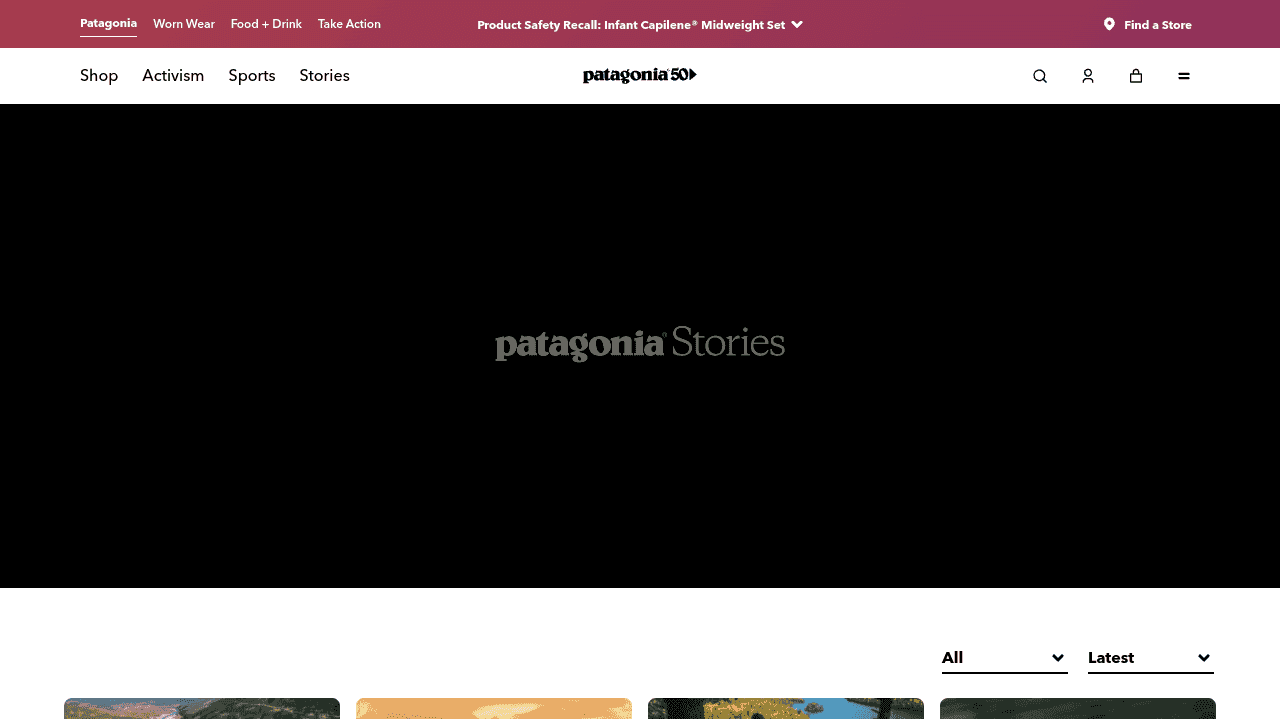
Patagonia is a well-known outdoor fashion brand that has also made its name doing good for the planet. Their blog articles are primarily human stories of outdoor adventure or the preservation and protection of natural areas. One reason their blog is successful is that they link long-form content to their brand without pushing a sales pitch.
Why it works:
The blog uses different content formats, including long-form articles and videos.
For the blog homepage, Patagonia uses videos to engage first-time visitors.
It covers a variety of topics related to the brand (food, activism, sports).
The content is easy to read thanks to big, beautiful images and the logical use of headings.
The blog has a clean navigation, which allows users to easily browse the blog topics.
The content is available in Spanish, which helps Patagonia expand its audience reach.
Key Takeaway: The Patagonia blog uses storytelling to strengthen brand identity. In doing so, it doesn’t rely on direct selling, which makes the blog content more engaging and shareable.How to replicate this strategy:
Combine multiple formats (written, video, visual) to increase engagement and time on page.
Add a clear navigation menu to all pages on your site, including your blog homepage, so readers can quickly find the information they need.
Add big, clear images to your posts to break up long-form content and reinforce your brand identity.
Gymshark
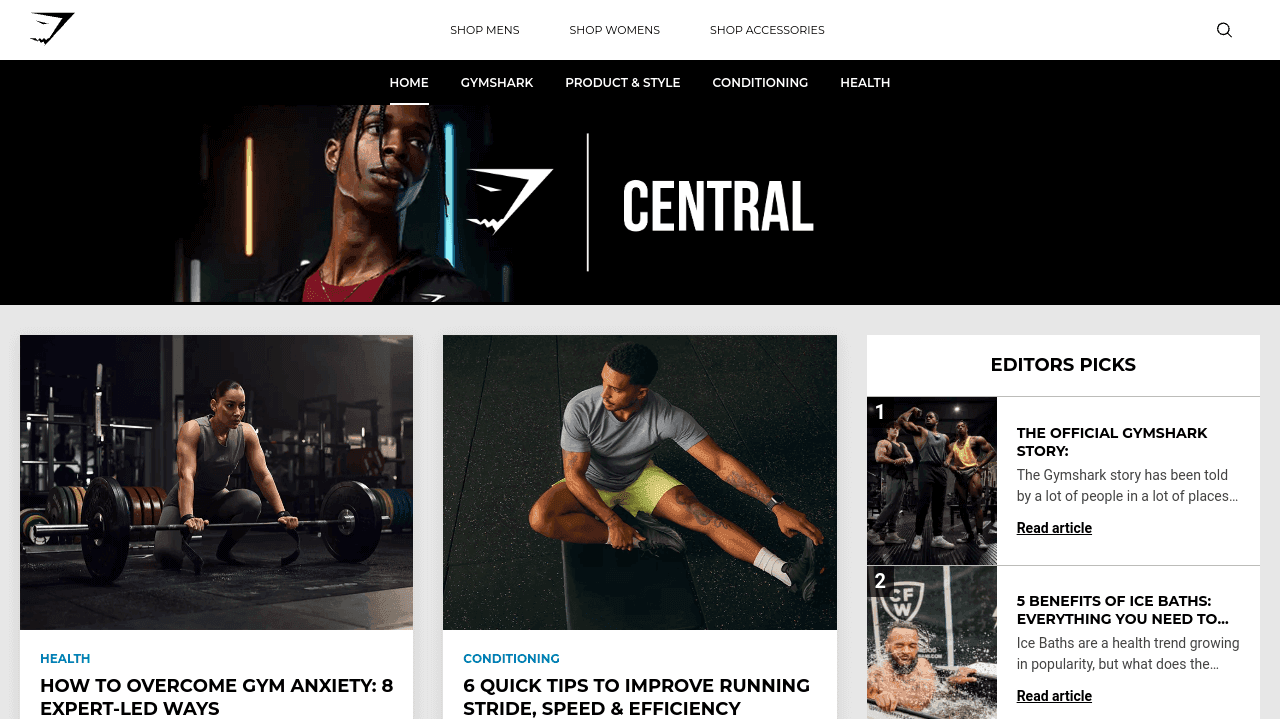
Gymshark is a label some people will know quite well. Primarily an e-commerce brand, they have driven growth through a clever content marketing strategy that incorporates a blog, social media, and collaboration.
Why it works:
The content is neatly organized into categories, and there’s a search bar prominently displayed at the top. These elements are known to increase a blog’s usability.
It uses a page sidebar to show a table of contents and related blog posts.
Blog posts often include FAQs to quickly answer reader questions.
It has a strong interlinking strategy, with single posts linking to store pages and other blog posts.
Key Takeaway: A business blog can build strong loyalty when it expands beyond products and publishes content tied to the audience’s lifestyle and interests.How to replicate this strategy:
Create categories for your blog and add a search bar to improve content discovery.
Add FAQs and related posts to keep users engaged and improve SEO coverage.
Use internal linking to guide readers to related content on your blog.
Donna Bella Hair
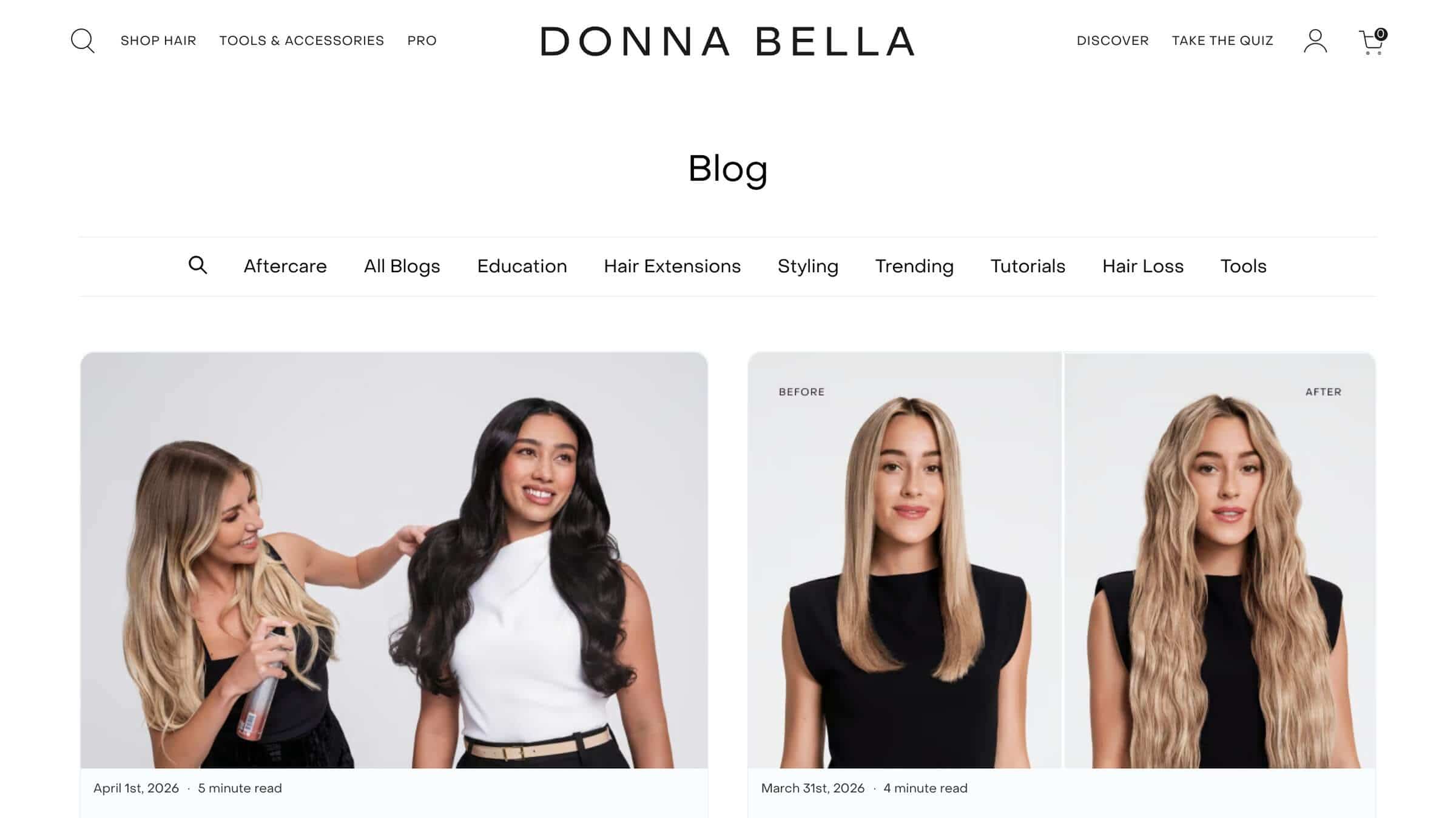
Donna Bella Hair is a renowned brand specializing in high-quality hair extensions and accessories. Their blog is an excellent resource for both professionals and consumers, offering a wealth of information on hair extension techniques, aftercare, and styling tips.
Why it works:
It combines product and how-to guides with educational content to match different search intents.
In addition to written content, the blog is also available in an audio format.
All blog posts are easy to read thanks to short paragraphs, lists, and images.
It has a clearly defined audience: consumers and professional stylists.
It has a regular publishing schedule.
It includes links to product pages.
Key Takeaway: Product education works best when it reduces uncertainty, helps readers make better buying decisions, and shows them how to get results after their purchase.How to replicate this strategy:
Use a plugin or a blogging platform that automatically converts your written content into audio to give your readers more ways to consume your content.
Break up long blocks of text with images and lists.
Add new content regularly to give your readers a reason to return to your blog.
Teapro
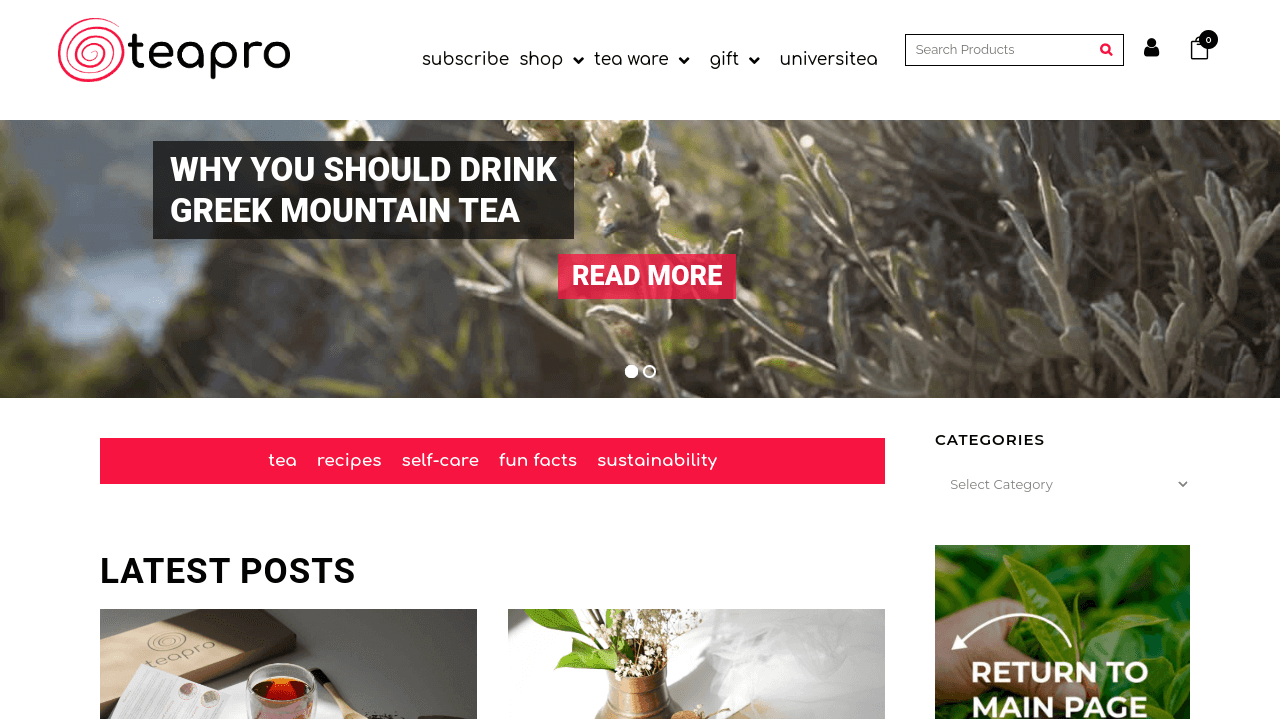
On a similar theme, there’s the Teapro blog. It’s no secret that the English love their tea, and this UK-based tea company sells loose-leaf tea, as well as tea accessories and products. Their e-commerce store is combined with a very effective blog called Universitea.
Why it works:
It talks about tea recipes, products, health benefits, and gift ideas, positioning itself as a central hub for all things tea-related.
It uses a page sidebar to display categories and related blog posts, which helps users easily discover new topics and content.
It engages readers through content outside of the blog, including quizzes and courses.
It posts new content regularly.
It includes in-post product links to increase conversion rates.
It features well-thought-out CTAs, such as discounts and free resources, to capture readers’ email addresses.
Key Takeaway: Educational content can increase buying intent by helping readers understand how and when to use your products.How to replicate this strategy:
Integrate products naturally into educational or lifestyle content.
Use lead magnets (discounts, guides) to capture email subscribers from blog traffic.
Pearl Paradise
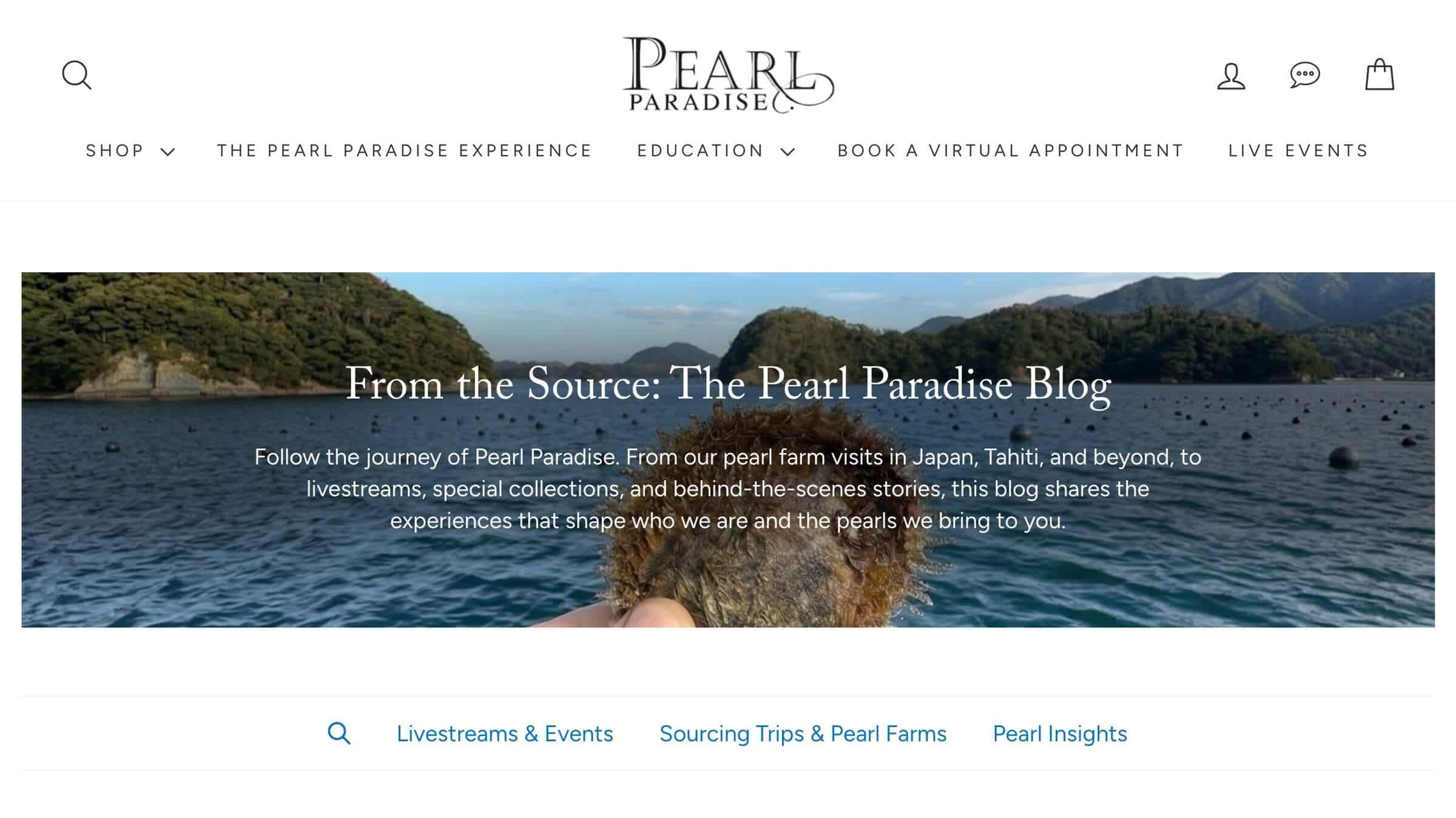
Pearl Paradise, a leading retailer of high-quality pearls, offers an insightful blog that delves into all aspects of pearls and pearl jewelry.
Why it works:
The content demonstrates expertise in everything related to pearls – from pearl grading to new pearl types.
Blog posts are available in written and audio formats, and some lead to Pearl Paradise’s live streams. That’s three different ways to consume the content.
It offers pop-up discounts to blog visitors.
It uses a combination of a highly visible search bar and blog category links to help readers explore new content.
Key Takeaway: Specialist brands can build trust by sharing expert insights that make their products feel more informed, premium, and distinctive.How to replicate this strategy:
Make your blog navigation easy to spot and access from every blog page to improve user experience.
Create discount offers exclusive to your blog readers to motivate them to make a purchase.
Use subtle CTAs and offers to convert engaged readers into customers.
Tateossian
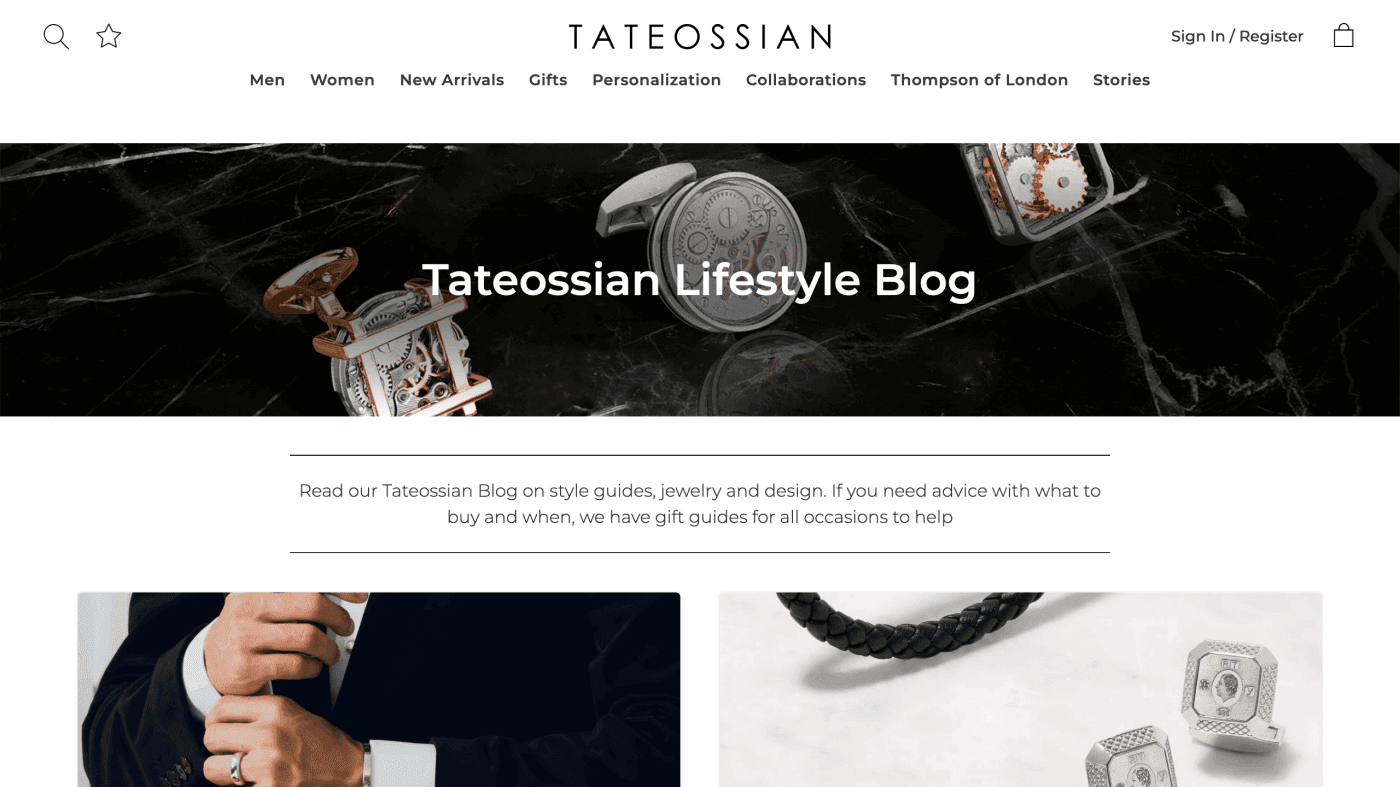
Tateossian is a really good example of an e-commerce store getting the most out of blogging. Selling designer jewelry requires building solid foundations and maintaining a relationship with customers.
Why it works:
It covers a variety of topics, ranging from wedding jewelry to King Charles’ coronation.
It has numerous gift guides that target visitors with high purchase intent.
It links to the online store’s collections and individual product pages.
It incorporates images into the written content to improve readability.
It uses the bottom section of the page to display store reviews and build trust with readers.
It regularly adds new content.
Key Takeaway: Gift guides and occasion-based content are effective because they attract high-intent readers who are already close to buying.How to replicate this strategy:
Balance text and visuals to improve readability and engagement.
Create gift guides and occasion-based content targeting high purchase intent.
Add trust elements (reviews, testimonials) near content to support conversions.
Love Margot
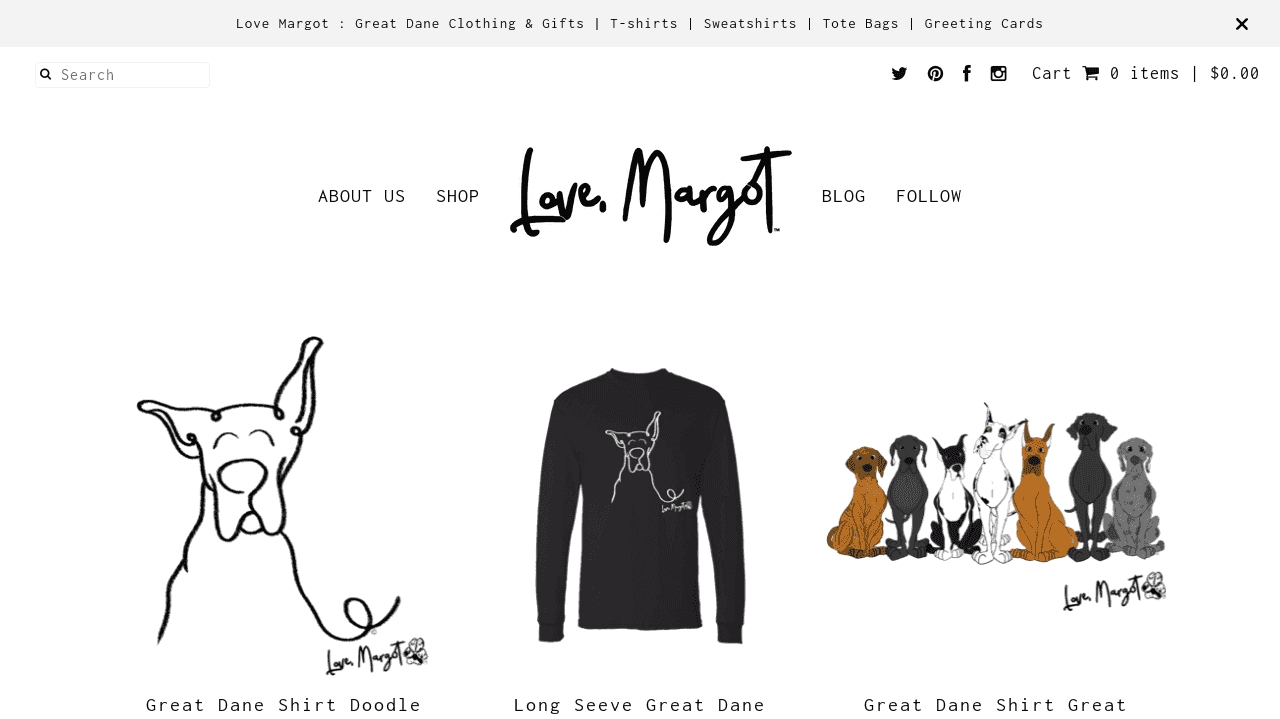
Love Margot is a cute and simple idea for a blog. The blog is named after the blogger's first Great Dane, who provided a mass of artistic inspiration for quirky t-shirt designs, as well as other products. The blog complements the shop, full of artistic products, and provides some humorous insights into the dog breed, as well as the more serious side of looking after your Great Dane.
Why it works:
It has a very specific niche: Great Danes, which helps it build topical authority.
It answers common reader questions about Great Danes (do they swim, how to travel with them).
It covers different search intents through how-to guides, personal stories, and product-related content.
The navigation is intuitive and at a highly visible spot, displaying blog categories and a search bar.
It uses headings, images, and lists to make the content easy to digest.
Its publishing schedule is consistent.
Key Takeaway: A tightly defined niche makes it easier to build topical authority and attract highly relevant traffic.How to replicate this strategy:
Narrow your niche to focus on a specific audience with clear interests.
Create content around common questions your audience is already asking.
Mix educational, entertaining, and product-related content to keep engagement high.
Yankee Kicks
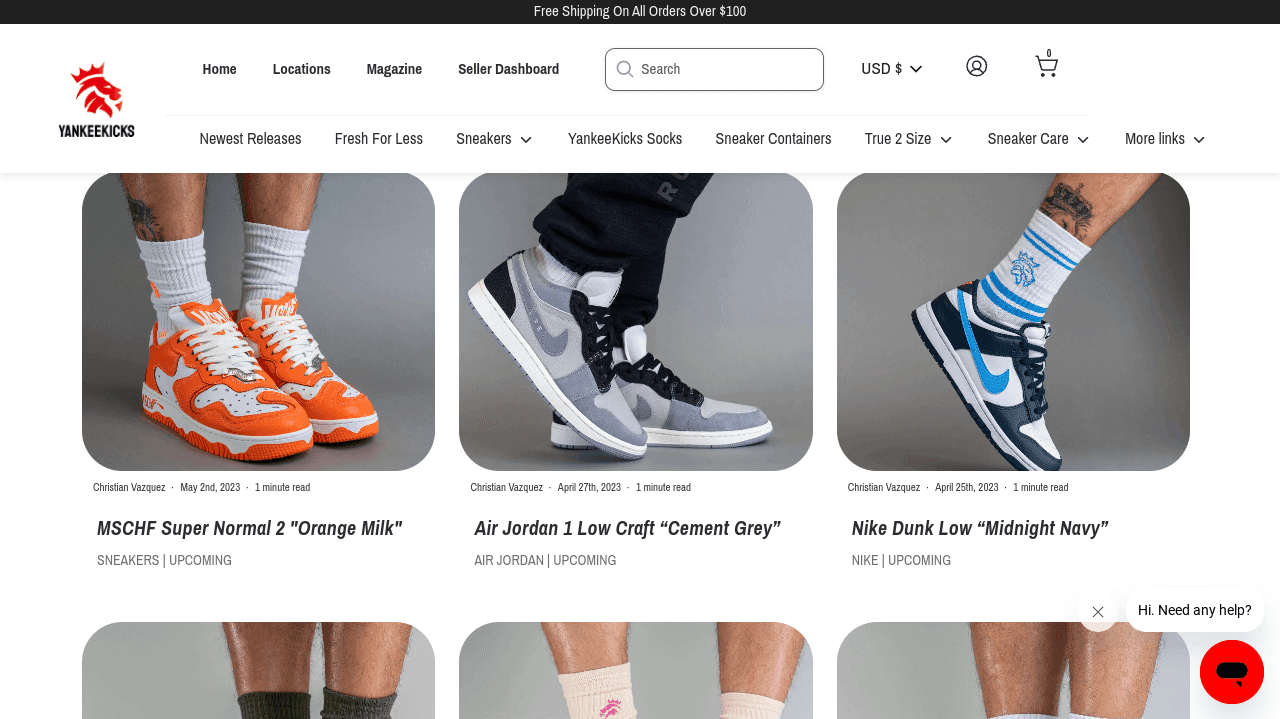
If you’ve been looking for some really unique sneakers, Yankee Kicks has a selection of rare sneakers, and there might just be a pair with your name on it. This unique business idea of buying and reselling rare sneakers requires a good content marketing strategy. Naturally, they boost their SEO and product promotion with a simple blog, as well as a strong social media presence.
Why it works:
It has a clearly defined niche and audience: sneakers and sneaker enthusiasts.
It features short blog posts, usually with a single image and to-the-point text.
The content is available in audio format, allowing readers to consume it anywhere, anytime.
The bottom section of the page is reserved for a newsletter sign-up form, which helps convert visitors into readers.
It regularly publishes new content.
Key Takeaway: Short-form blog content can work well when the audience is highly niche and visually driven, especially when there’s strong brand interest.How to replicate this strategy:
Create short, focused content for niche audiences with strong interest in trends.
Add a text-to-speech player above your post content.
Use content to highlight new products, trends, or releases consistently.
NUTSÓLA
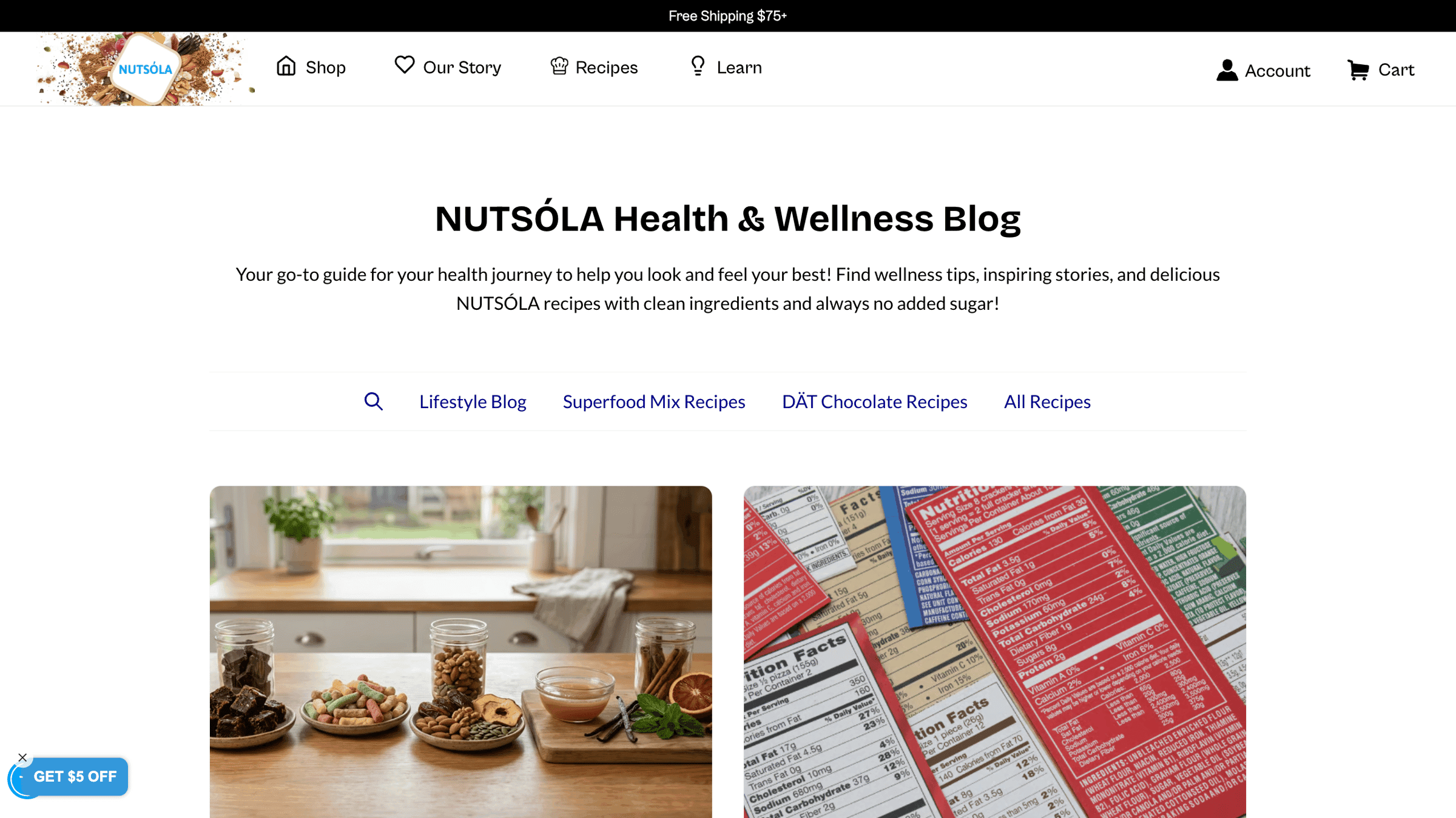
NUTSÓLA is a health-focused brand offering superfood mixes and snacks made with natural ingredients.
Their blog features a variety of content, including lifestyle tips, health insights, and delicious recipes. The articles range from the benefits of different superfoods and ways to incorporate them into your diet, to creative and easy-to-follow recipes using NUTSÓLA products.
Why it works:
It features a short description of the blog in the header area of the blog homepage, so that readers can easily learn what it is about.
It uses clear headings and bulleted lists to create easy-to-read recipes.
It incorporates products into blog content naturally, allowing readers to easily navigate between the blog and the online shop.
It uses vibrant images of food to grab users’ attention.
It displays CTA buttons cleverly – the $5 offer appears as a pop-up and, if not claimed, moves to an expandable tray.
It regularly adds new content.
Key Takeaway: Recipe and lifestyle content can make products feel more useful in everyday life, which helps turn interest into buying intent.How to replicate this strategy:
Offer incentives (discounts, free resources) to capture leads.
If you have a food blog, make sure to add images to your content.
Bones Coffee
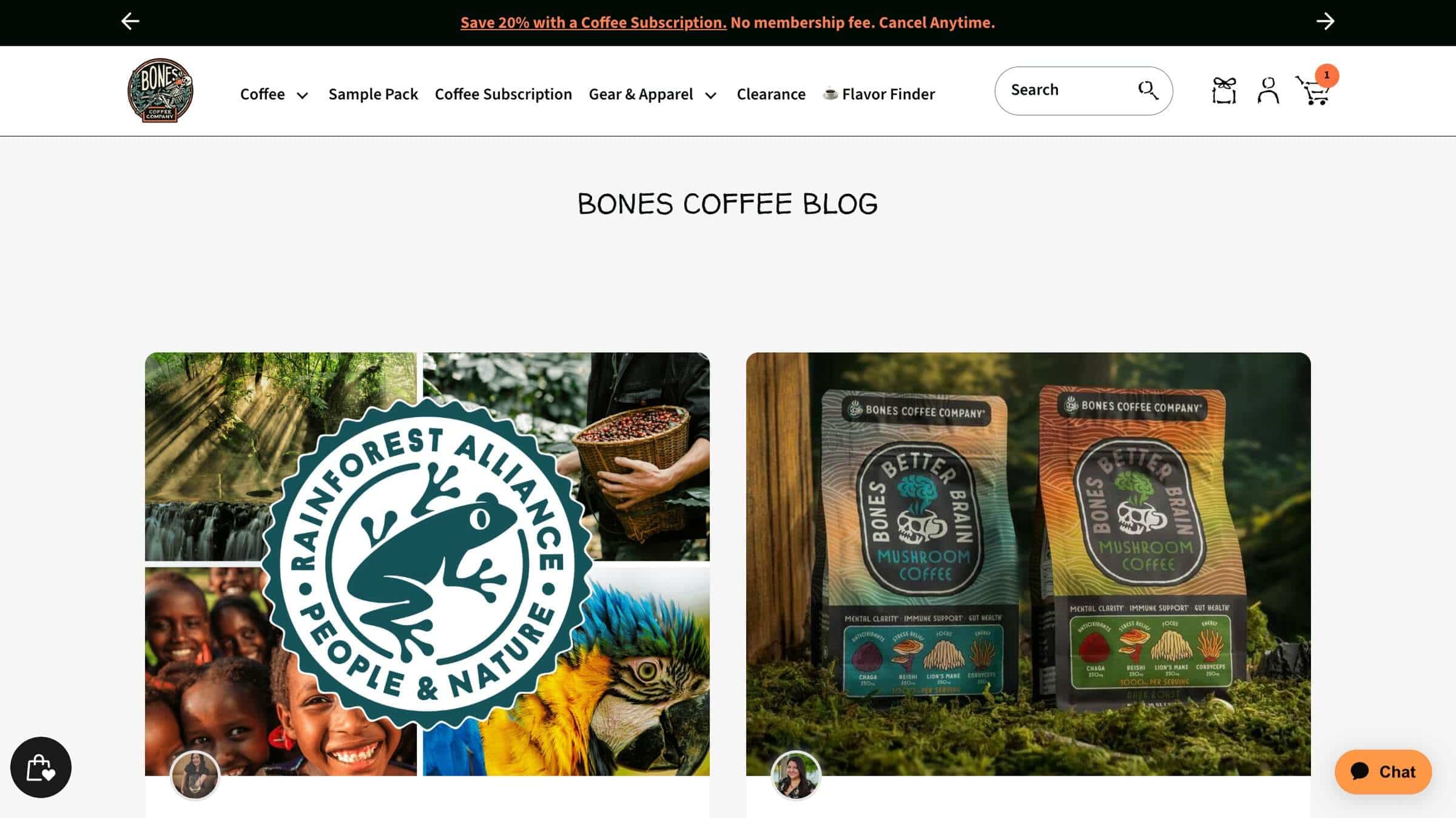
Bones Coffee is a family-owned business that sells coffee online. It currently offers over 40 coffee blends and a diverse range of flavors, including dark chocolate, caramel and sea salt, cinnamon, and vanilla. Apart from the creative, original content it shares on its Instagram profile, Bones Coffee also uses its blog to educate and engage its audience.
Why it works:
It features different content types, including recipes, how-to guides, and product-related content.
It places product links and previews naturally within the content, creating a seamless transition between blog and store pages.
It uses headings, bulleted lists, blockquotes, and tables to present the content in a clear and organized manner.
It places CTAs within blog content, which helps deliver the message without being too intrusive.
It also has more prominent CTAs at the bottom of the blog page and uses them to drive readers’ engagement.
Key Takeaway: The most effective e-commerce blogs educate first, then guide readers naturally toward products through relevant, well-placed calls to action.How to replicate this strategy:
Use clean formatting (headings, lists, tables) to improve readability.
Use a blogging platform that supports dynamic product embeds to easily add products to your posts.
Add social sharing buttons to your content.
Instead of flashy CTA buttons, use plain-text CTAs to inspire your readers to take the desired action.
Jelly Journal
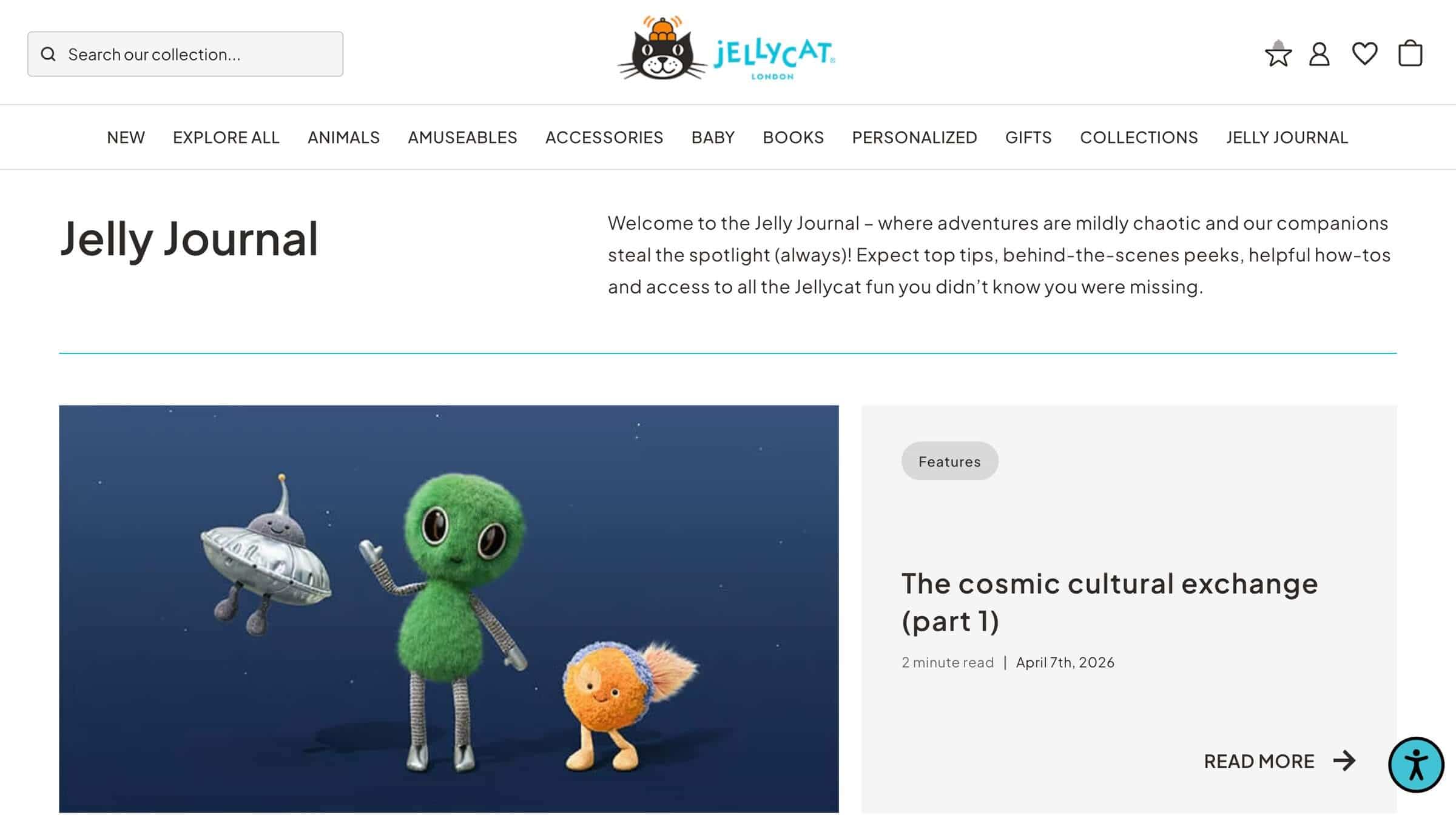
Jellycat is a soft toy company launched in 1999. It has become synonymous with soft plush toys and today has an impressive collection of 650+ soft toys, bag charms, and blankets. With over 3 million followers on social media and thousands of toy collectors worldwide, Jellycat is undeniably a successful company, and thanks to its clever use of a blog, one of the most successful business blog examples on this list.
Why it works:
It tells fun stories about Jellycat toys, creating an emotional connection with readers and making the brand more memorable.
Each blog post is about a character inspired by a toy. And each post links to Jellycat’s online store.
The writing style is fun and light, which makes the content easy to digest.
It uses beautiful imagery to complement fun stories.
It’s an active blog that continuously sees new content.
It uses the footer area to display delivery information and build newsletter signups.
Key Takeaway: Brand storytelling can make products more memorable and emotionally engaging, which strengthens the connection between content and commerce.How to replicate this strategy:
Turn your products into characters or narratives to create emotional engagement and make your brand more memorable.
Use visuals and short paragraphs to create a light, highly scannable reading experience that keeps users engaged.
Link blog content directly to relevant product pages to create a seamless path from storytelling to purchase.
Professional and local service blogs
Professional and local service blogs use blogging to build authority and to help solve real user problems. Their goal is to turn readers into clients.
BizData

BizData, an Australian data analytics and AI consultancy, showcases its expertise through its informative blog. Covering a range of topics from AI implementation to data strategy, their posts are geared toward helping businesses harness the power of data for growth.
Why it works:
It combines detailed case studies, industry insights, and practical tips to position itself as the top resource in the data-driven landscape.
It adds new content consistently with quarterly updates and the latest trends in data analytics and AI.
It uses categories to organize a breadth of topics it covers.
Blog posts have a table of contents and serve as an overview of their key sections.
To increase readability, blog posts use headings, lists, and short paragraphs.
The blog content links to BizData’s service pages, which helps convert blog visitors into customers.
Key Takeaway: Expert-led content builds trust faster when it helps readers understand complex problems and see a clear path to solving them.How to replicate this strategy:
Use structured content (TOC, headings, sections) to make complex topics easier to navigate.
Add case studies or real-world examples to demonstrate expertise.
Create in-depth articles that explain real problems your audience faces and how to solve them.
Tree Work Now
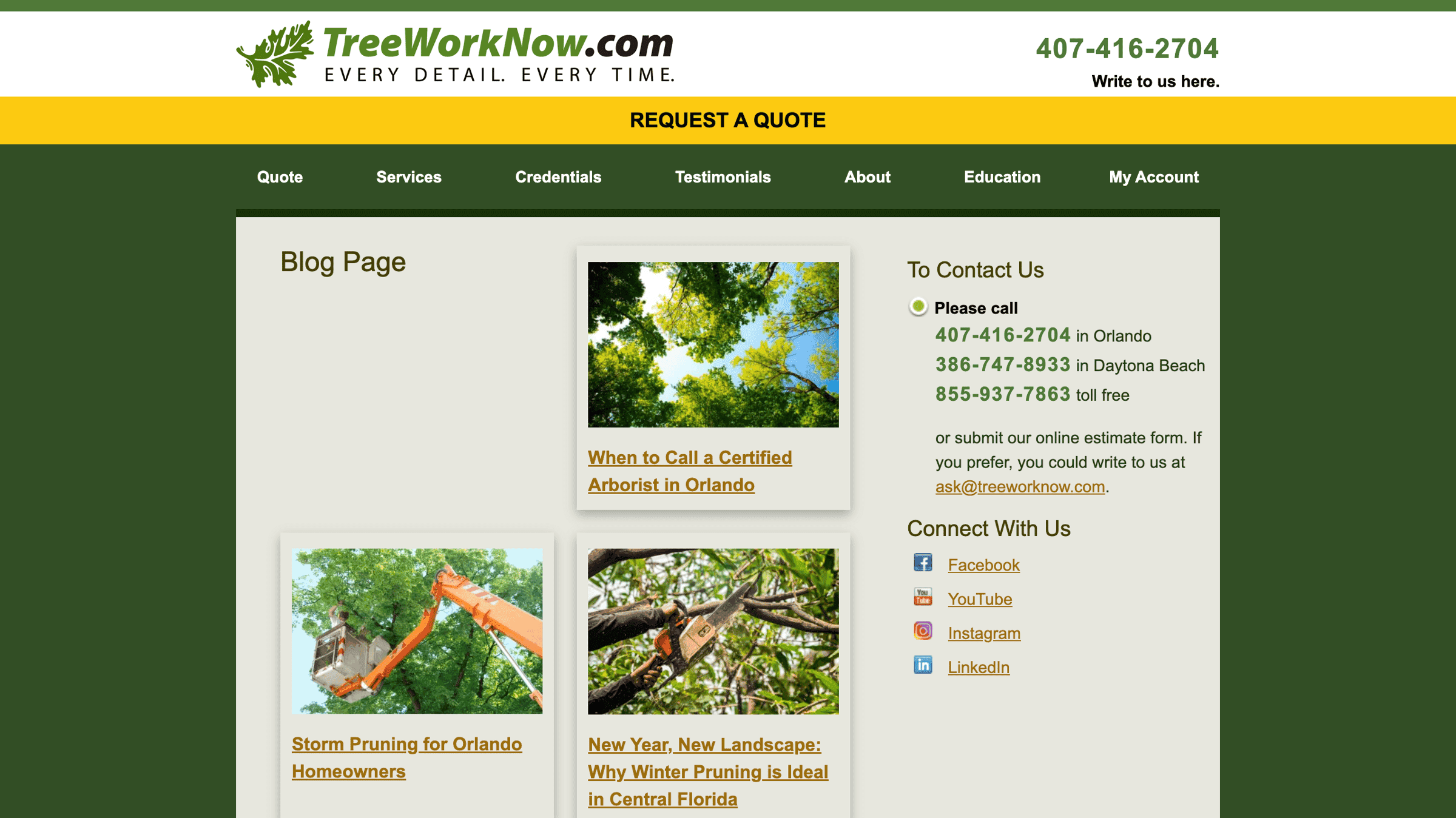
Tree Work Now, based in Orlando, Florida, specializes in professional tree care services. Tree Work Now’s blog, powered by DropInBlog, is a treasure trove of information for homeowners, offering insights on tree health, seasonal care tips, and storm preparation advice.
Why it works:
It has a strong local SEO focus to attract traffic from the area where the company operates – Orlando, Central Florida.
It incorporates contextual CTAs into the content to promote its services.
The sticky “request a quote” bar is easily accessible from every blog post, making it easy to get an estimate from every page on the blog.
It offers practical guides with actionable steps, including a tree-care checklist and guidance for keeping trees healthy in Florida’s heat.
Key Takeaway: Local service businesses can use educational content and location-focused SEO to attract qualified traffic and turn readers into leads.How to replicate this strategy:
Target location-specific keywords that your ideal customers are actively searching for.
Place clear, contextual CTAs within content to capture leads at the right moment.
Create problem-solving content that naturally leads to your services as the solution.
PPR Human Resources

PPR Human Resources provides consulting and executive placement services to businesses looking to optimize their workforce.
Their blog is an essential resource for HR professionals and business leaders, featuring articles on topics such as talent acquisition, employee retention strategies, and leadership development.
Why it works:
It has a clearly defined niche and audience, offering insightful information about HR strategies, workplace culture, compliance, and leadership.
The content itself offers practical solutions, tips, and recommended actions for topics such as HR engagement, extended onboarding, and succession planning.
It uses clear CTAs throughout the content and footer, often linking to the contact page and displaying a newsletter signup form.
It follows E–E-A-T guidelines through comprehensive author pages.
Key Takeaway: Actionable content builds authority when it helps readers solve specific business problems, not just understand them.How to replicate this strategy:
Create actionable content that solves your readers’ pain points to build trust.
Provide clear, actionable steps, not just theory.
Build trust with strong author profiles and visible expertise.
Content-driven brands
This group of blogs includes travel, food, and lifestyle blogs. They usually have an SEO strategy in place that helps them rank their content in search engines and grow their audience. They use blogging to attract traffic and build an audience.
Cookie and Kate

If you’ve ever been searching for recipe ideas, we can almost guarantee you would have found a Cookie and Kate recipe. Kate started the blog in 2010 to promote healthy eating and eventually wrote her own cookbook, which she sells from the blog.
Why it works:
It has intuitive navigation with links to individual blog categories.
The blog homepage lists the most popular posts and offers various filters to sort blog content (e.g., by cuisine, ingredient, or season).
It offers printable recipes with ingredient checklists.
It builds topical authority by regularly adding new content.
The blog has been active for over 15 years and has over 300 recipes, which tells Google it’s active.
It fosters user engagement via blog comments to which Kate always replies.
Key Takeaway: High-quality educational content can lead to long-term traffic when it solves problems and gives readers a reason to return.How to replicate this strategy:
Start publishing with consistent, high-quality posts to signal activity to both readers and search engines.
Add content filters and categories to help users navigate large amounts of content more easily.
Enable comments to increase engagement, build community, and generate ideas for future content.
Nomadic Matt Travel Blog
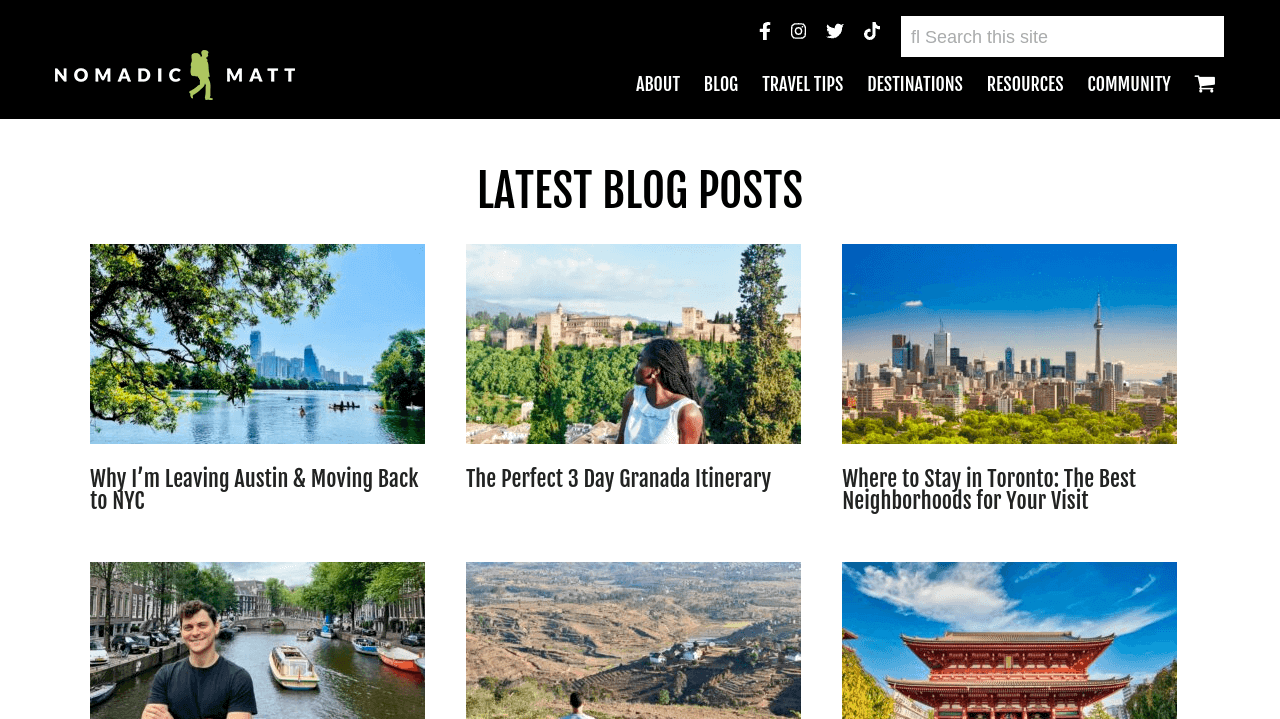
Nomadic Matt is a widely successful travel blog that was started as a side project while its creator was working a standard 9-to-5 job. The blog receives about one million visitors each month and includes travel tips and destination guides, along with links to booking sites. You can even purchase guidebooks.
Why it works:
It has a clearly defined niche: budget travel.
The blog has been active since 2008, which confirms that success doesn’t come overnight.
It extensively covers travel topics, including travel guides, hotels, and walking tours.
It follows the recommended text-to-image ratio to break up big blocks of text.
The content incorporates travel-related keywords, which help its visibility in search engines.
It has a strong internal linking strategy, which allows readers to easily explore related topics.
It uses the right side of the blog page to promote Matt’s books and a newsletter sign-up form.
Key Takeaway: Publishing decision-making and problem-solving content is one of the best ways to attract qualified organic traffic over time.How to replicate this strategy:
Publish consistently to build a growing library of content that brings repeat traffic and strengthens SEO over time.
Target high-intent keywords like “best places,” “how to,” and “cost of” to capture search traffic.
Create an internal linking strategy for your blog to easily connect related content on your blog.
Intrepid Travel

On the same travel theme but a little bit different is the Intrepid Travel blog. Intrepid Travel has become a household name in organized small-group tours around the globe. They are now a big-budget company, and of course, they use paid advertising. However, they also blog very effectively.
Why it works:
It has a large content library with several thousand posts.
It uses different content types, ranging from destination and how-to guides to personal stories.
It has multiple authors, each contributing with their unique perspective and writing style.
It uses original images to enhance the content, while clear headings and short paragraphs make the content easy to read.
It links to its escorted tours from individual blog posts.
Key Takeaway: Combining practical advice with personal storytelling helps brands attract traffic without losing their voice.How to replicate this strategy:
If you have a lot of content, create a content schedule to keep a consistent publishing flow.
Use a clear heading structure (H1, H2, H3) to improve readability, SEO, and content scannability.
Bring in multiple contributors or experts to diversify perspectives and increase content output and authority.
Wine Smarties

Wine Smarties are certified wine sommeliers running wine courses for the Wine and Spirit Education Trust – for beginners and pros alike. They incorporate a blog into their site to discuss relevant news around the wine industry and educate visitors about wine and different accompaniments for different wines.
Why it works:
It has a clear niche: wine tasting and knowledge.
It uses comprehensive author pages to show its readers who’s behind the content. This practice helps build authority and trust with them.
It organizes the content through categories easily accessible from the blog homepage.
Readers can easily find new content through related posts displayed at the bottom of individual posts.
Key Takeaway: Educational blogging works especially well when content naturally supports the next step in the customer journey, from learning to buying.How to replicate this strategy:
Collaborate with industry experts to create educational content that adds credibility and unique perspectives.
Create detailed author pages to showcase expertise and strengthen trust (E-E-A-T signals).
Maintain a consistent publishing schedule to keep your audience engaged and improve performance over time.
Health, Finance, and Specialized Industries
These blogs focus on providing accurate information on complex topics and aim to establish trust with their audience before making sales.
ViaCord

ViaCord specializes in cord blood and cord tissue banking, offering families the opportunity to store these vital resources for future medical use. Their blog is a comprehensive guide on the benefits and uses of cord blood and tissue, featuring articles on regenerative medicine, the science behind stem cell therapies, and personal stories from families who have benefited from their services.
Why it works:
It educates readers about cord blood and tissue through well-researched, informational content.
It references its sources to further strengthen readers’ trust.
It prominently features publish dates, which helps readers quickly assess the content's recency.
The content is nicely organized into short paragraphs, headings, lists, and blockquotes.
It uses whitespace and a couple of colors to deliver a clean, professional look.
It displays a chat widget to promptly answer reader questions.
Key Takeaway: In high-trust industries like health, clear explanations, cited information, and up-to-date content are essential for turning education into confidence.How to replicate this strategy:
Create in-depth blog posts with credible sources to build trust, while simplifying complex topics so they’re easy to understand.
Add a chat widget to your blog so that your readers can easily get in touch with you.
Display published and updated dates on your blog to show your readers that your blog contains up-to-date information.
WPS Health Insurance
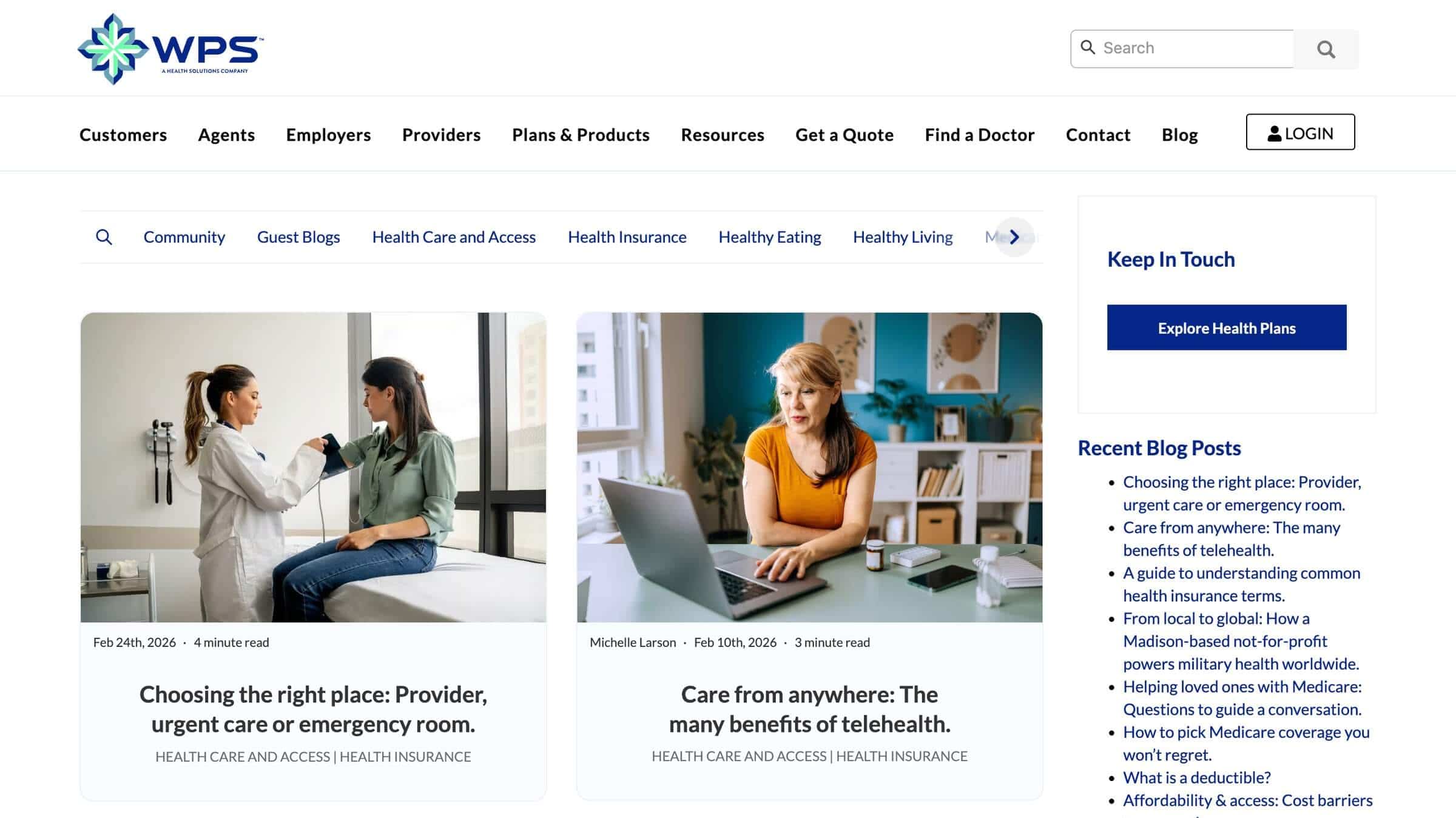
WPS Health Insurance provides a range of health plans and services designed to meet the diverse needs of individuals, families, and businesses.
Their blog, "Your Health Matters," offers a wealth of information on various health and wellness topics, including tips for navigating health insurance, understanding medical bills, and maintaining a healthy lifestyle.
Why it works:
It offers educational content that helps readers understand complex concepts behind health and wellness topics.
It offers actionable advice (e.g., living well with chronic conditions, habits for flu prevention).
It has over 400 blog posts, which positions it as a go-to resource for health and wellness topics.
It uses a table of contents at the top of each post to help readers easily find the information they’re interested in.
It uses one side of the page to showcase related content, which increases the time readers spend on the blog.
Key Takeaway: Depth and clarity matter most in complex industries, where readers need trustworthy content that helps them understand important decisions.How to replicate this strategy:
Use your blog homepage to show categories, related posts, and a search bar to simplify content discovery.
Use a content planning tool (e.g., Blog Pilot) to identify new topics and systematically expand your content library.
Focus on building depth in your niche over time to establish topical authority.
Common Traits of Successful Business Blogs
While reading about these business blog examples, you’ve probably noticed that a lot of the things they do right are the same. Here are some common practices these blogs follow:
They prioritize SEO and search intent. By including keywords in their content, these blogs increase their search visibility. Different content types, such as guides and comparisons, on the other hand, cover different search intents.
They target a clearly defined audience. Knowing who their audience is allows these blogs to cover the topics that their audience wants to read.
They publish consistently. Most business blogs on this list have been active for at least 4-5 years. They keep their audience engaged by offering new content in more or less regular intervals.
Their content is well organized. The unwritten rule behind successful business blogs is to create visually appealing content. This practice includes clear headings and a proportional use of text and media.
They use internal linking effectively. These business blogs also use internal links to help readers discover more content on similar topics.
They guide readers toward conversion. Most blogs link to their product and service pages from within blog posts. They also include CTAs to nudge readers to visit their store or service page.
FAQs
What makes a business blog successful?
A business blog is successful when it fulfills its purpose, whether this is to attract organic traffic, increase sales, or build a brand image.
Are blogs still worth it in 2026?
Absolutely! Blogs bring organic traffic, build and nurture relationships with your audience, and turn first-time visitors into loyal customers.
How do company blogs make money?
Company blogs make money by converting blog visitors into customers. Other ways these blogs make money are ads, affiliate marketing, and sponsored content.
What should a business blog include?
A business blog should include high-quality content that brings some value to the reader. The content should be organized well with headings, lists, and short paragraphs, and include target keywords to improve its chances of appearing in Google and other search engines.
Final Thoughts
We’ve covered a wide range of niches from travel, food, commerce, and fitness – with large businesses and small-scale ones – but all of them are blogging to their advantage. They use their blog to get noticed, promote their brand, and build a relationship with their customers.
The common thread across all of these examples is that they don’t blog randomly. They know their audience, publish with purpose, and create content that supports a larger business goal. If you want your blog to drive traffic and conversions, strategy has to come before publishing.
If your current blogging solution doesn’t meet your requirements, test DropInBlog to see what it can do for you.
Until next time, happy blogging!